

If you’ve ever resisted a one-night stand, you are familiar with the two bad philosophers inside your head. The degenerate utilitarian insists that it would be a mistake to let an opportunity for consenting adults to increase the pleasure in the world slip. The rigid deontologist posits that casual sex is always a bad idea, mumbling something about Chesterton’s fence. Two completely different views on the same situation, both wrong. Can you find another way of looking at it? You might have a certain bar when it comes to compatibility (or at least fuckability). People draw different lines when it comes to power asymmetries, whether those are differentials in age, IQ, or consumed drinks.
The variance doesn’t mean that your morality is a matter of taste like your feelings about coriander or reggaeton. That take is just as cooked as your local religious dogma. The virtues you espouse make you who you are in a way that is much deeper than your birth name or sports team. They were neither invented nor handed down, but grew from all the ways you failed and were failed by others. You can’t escape the feeling of right and wrong in your body, and you act it out (eventually). Every action reinforces your virtue commitments, which in turn define who you are into the future. Every action from ethical concerns is an act of worship. You’ve heard that you are made in God’s image; the deeper truth is that you are making God in yours.
You are what you worship
A couple of months ago in San Francisco, I was pacing around the kitchen with Richard and Ivan, talking about virtue ethics, identity, and God (as one does). We were circumambulating a cooking island and a conceptual synthesis. Each holding a different perspective, each on the move.
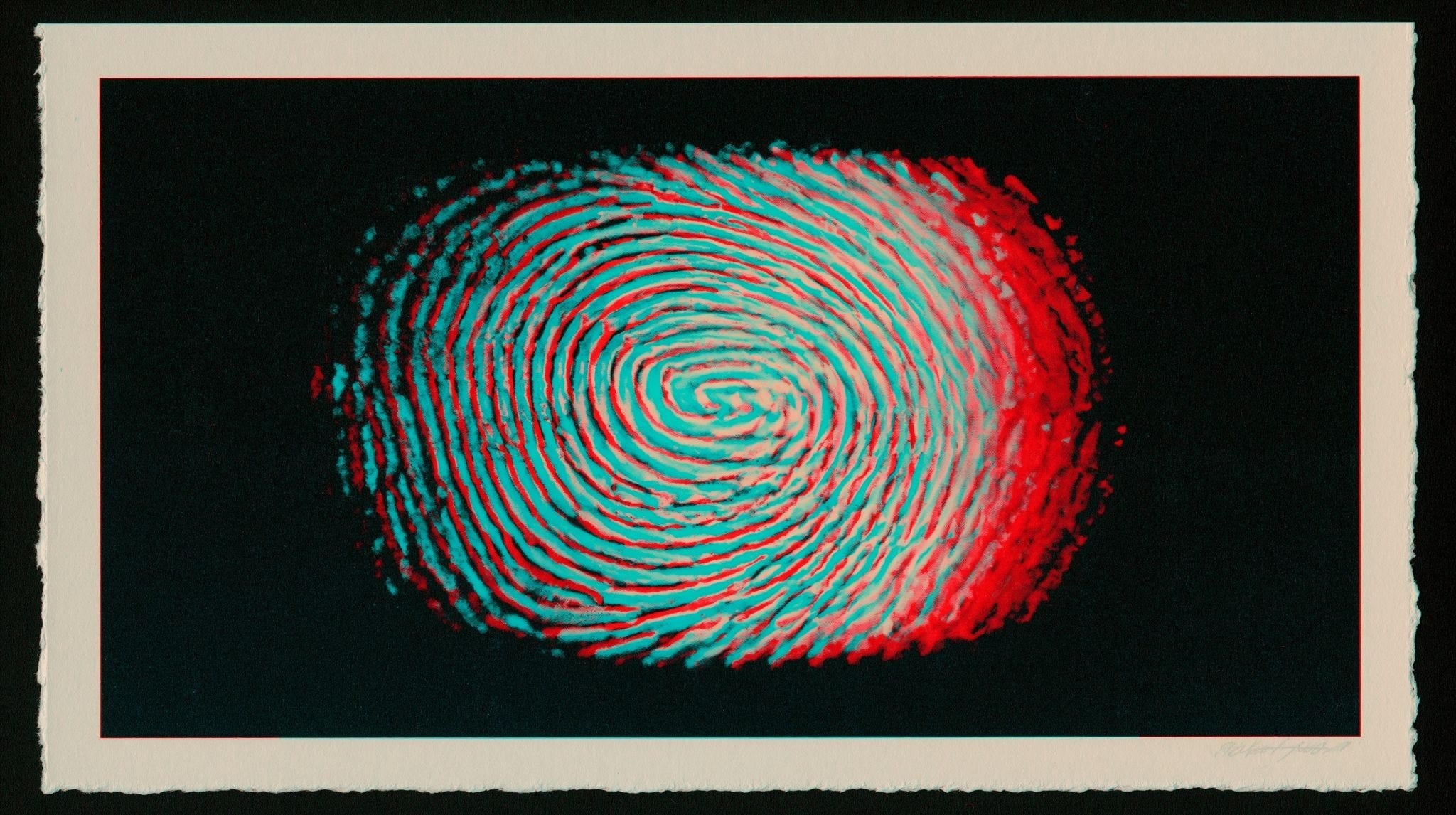
I knew that the self was a multiplicity, but I realised on that day that there is a stranger handle that explains more than traits and types: virtues. The virtues you espouse are the best predictor of your future behaviour, like a fingerprint. You might think I behave erratically, that I am a schizo octopus, if you don’t understand that I care about connection, aliveness, and creativity. That mix predicts me better than my passport, my hobbies, or my job ever could. I’ve travelled enough to be foreign to my homeland, and all of the other descriptors change frequently (neither MBTI nor the Enneagram can pin me down). But you can bet that I’ll follow that tingling in my chest to the next adventure if it feels like it’s in alignment.
Originally, smoking weed felt like it was serving my aliveness and creativity. After a joint, my limiting thoughts went up in smoke, and the world opened up with possibility. A decade later, the effect was numbness, and my preferred activities had become decidedly uncreative (getting high in two variations: listening to podcasts or watching movies). My habit and the life circumstances around it changed, but the underlying virtues stayed consistent.
The fingerprint isn’t the virtues themselves, but how you weigh them and how you settle the conflicts between them. To the extent that any of the common identity markers are descriptive, they also represent virtue commitments: A life coach who’s an Enneagram 4 will inevitably develop their own patented method™, because they value service and performing their individuality in equal measure. What Jung called the transcendent function takes two positions that seem to contradict and finds the secret third thing that honours both. Your personality is how you have managed to resolve the tensions between different virtues in yourself.
Virtue commitments are the glue that unites past, present, and future self.
Updating grandma’s priors
We don’t always live up to our own virtues. There was a long delay between when weed stopped supporting my aliveness and creativity, and me quitting. There was also a delay between the point where I perceived that this was true and where I could act on it. These periods of betraying my virtues had an ambient sense of dissonance to them. The Free Energy Principle (FEP) fits well here (bear with me): if your mind is a hierarchy of predictions, virtue commitments are deep in the hierarchy and only change reluctantly. The dissonance I was feeling was a prediction error, and I resolved it by changing my behaviour. It took me years because of the sinister shortcut of suppressing the dissonance and living in hypocrisy. There is no local anesthesia for emotions, so suppressing one feeling creates general numbness (which is demonically compatible with drug abuse).
Integrity is what it feels like when no internal prediction error is strobing to get your attention, when there are no conflicts between virtue commitments. Even if there is an inner conflict that you couldn’t resolve yet, you stay an effective social participant as long as you have what Richard calls coherence: the ability to act as one agent despite inner conflict. Hypocrisy buys coherence the way North Korea does, by pushing dissent into the darkest provinces of the self, and the rest of the inner population falls silent while watching. Integrity is when coherence comes from a resolution of the inner conflict, successfully performing the transcendent function.
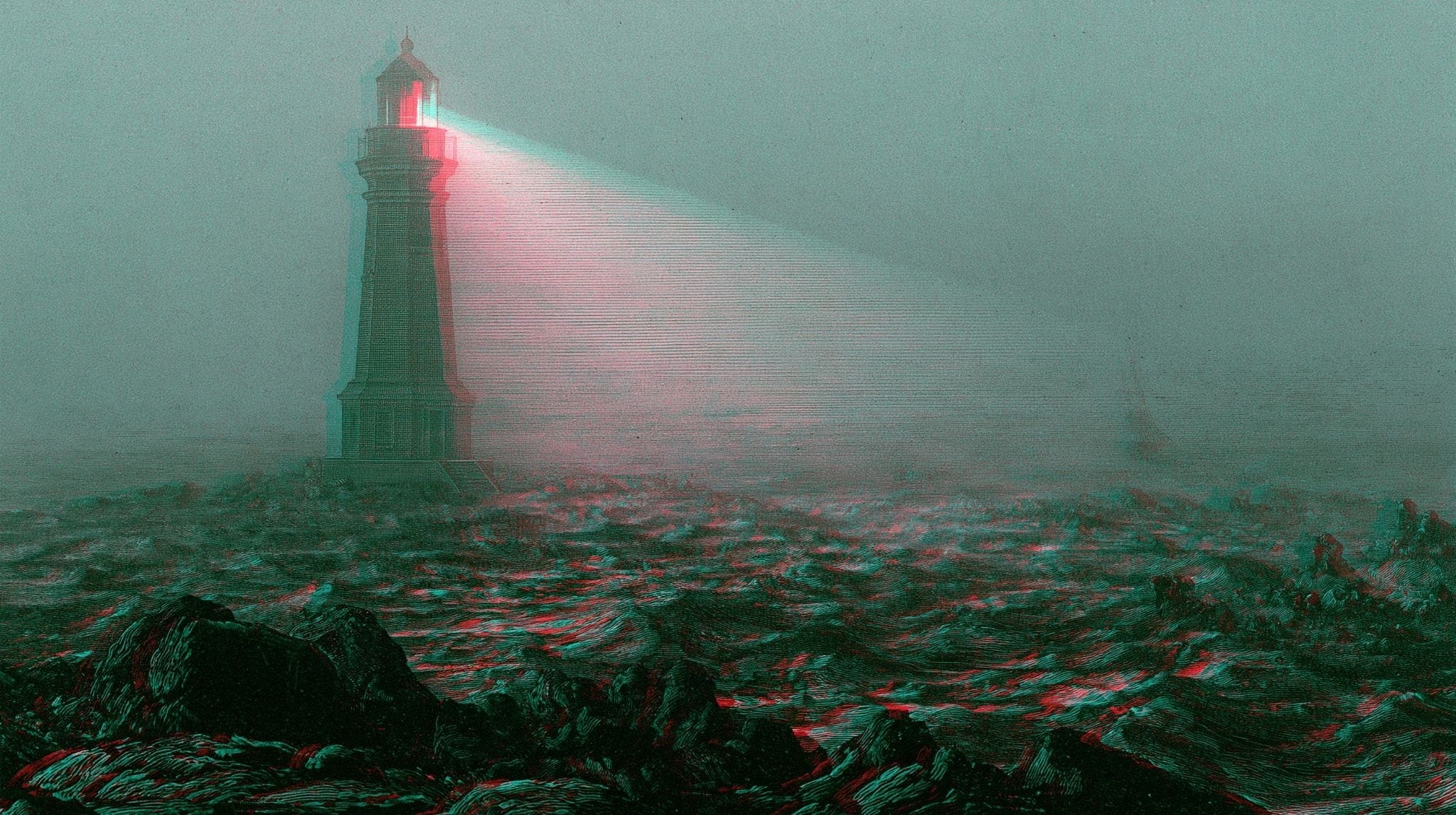
Updating virtues is another way to resolve prediction errors but it’s exceedingly expensive. Tradition is a lighthouse for my grandmother, an orienting beam amongst the chaos of her fading memory and eyesight. It comes at the price of creating distance from her granddaughter by disapproving of her girlfriend. The virtue commitment sits so deep in the hierarchy that it will probably outlast even the names of her children. If you doubt the claim that virtues are foundational for identity, spend more time with old people.
Grandma is also why I can’t throw away food: a prior she picked up during the famine, long-expired, that now expresses itself mostly as my love handles. It’s telling that if I pretend the food belongs to somebody else, I suddenly don’t care that it gets thrown away. She can no longer revise her predictions, so I am revising them for her; resolving intergenerational trauma is running the updates late. The Free Energy principle account of virtue ethics is a steelman of “everything happens for a reason”: every persistent bias is a prediction that we haven’t updated yet, and every moral failure is an error signal helping us do just that.
Parallax
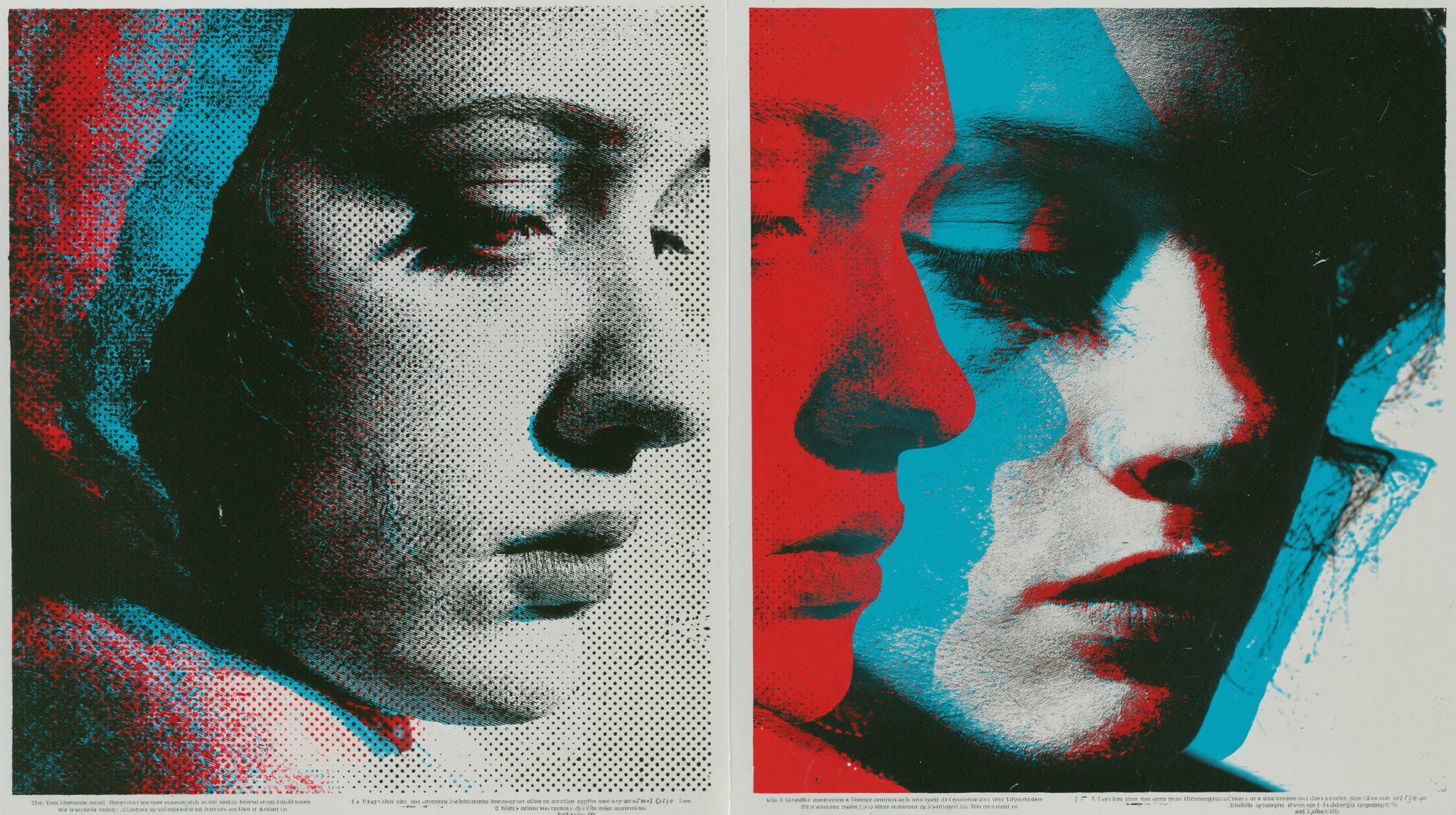
The dissonance of betraying your own virtues is not the only error signal on offer. A more disquieting version is watching someone live a different virtue fingerprint and being unable to dismiss them. You can tell they are in integrity, yet their behaviour does not fit with your own virtues. You encounter an error that your own lens could not have produced and are left with two sharp images refusing to fuse. It’s a fractal (surprise): the same operation that happens within a person, but running on the social scale. Understanding each other well enough to surface the third option is how the social layer updates and gains a dimension that no single member could see.
As on the personal level and so on the social level, virtues need to be balanced or they become a vice. An ironclad commitment to beauty above all else draws up its own ruins in advance, the way the Nazis designed their monuments to photograph well as rubble a thousand years on. The higher level of the fractal can hold even more of its tension unresolved, while smaller agents need resolution to stay coherent (even if that means repression).
The conservative party values tradition while the liberal party embraces innovation (which is what makes them both boring). Freedom without security isn’t free and security without freedom isn’t secure. Going all in on freedom might lead to a Mad Max wasteland where you are constantly in danger, and therefore not at all free to roam the playa. The totalitarian dictator that maximizes security breeds the secret police that will eventually knock on his own door.
Virtues that contradict each other in the abstract become fecund when they meet a concrete problem. In the example of drug policy, the tension is between freedom and safety. In a healthy society, the different virtues and the groups representing them are looking for a third solution that satisfies both of them. If it succeeds, two displaced images resolve into depth perception. Countries like Portugal or the Netherlands seem to have found such a solution: decriminalization without legalization. The population is protected from harmful substances without needing to demonize users. The US gets binocular rivalry instead: If two images are too far apart, the visual system doesn’t blend them but flip-flops between them, indefinitely. Prohibitionists and libertarians stopped talking, and the country has been alternating between the war on drugs and laissez-faire policy ever since. Each flip undoing the last, overdoses and drug incarcerations both climbing through every administration. Bateson called a split resulting from the breakdown of communication schismogenesis.
If these splits between different groups of societies seem like religious fractures, it’s because they are. Each combination of virtues is essentially a god. As we were pacing around the kitchen island like pilgrims at Mecca, we were re-enacting the hearth as the original altar of Hestia and Vesta, the sacred center of every house, attempting to bring together truth, integrity, and creativity. There used to be gods for every family, village, and craft because each of these required a specific integration of different virtues. An agent at any scale, a person, a household, an institution, is individuated by how it resolves the conflicts between the virtues it holds. A god is the result of a successful resolution.
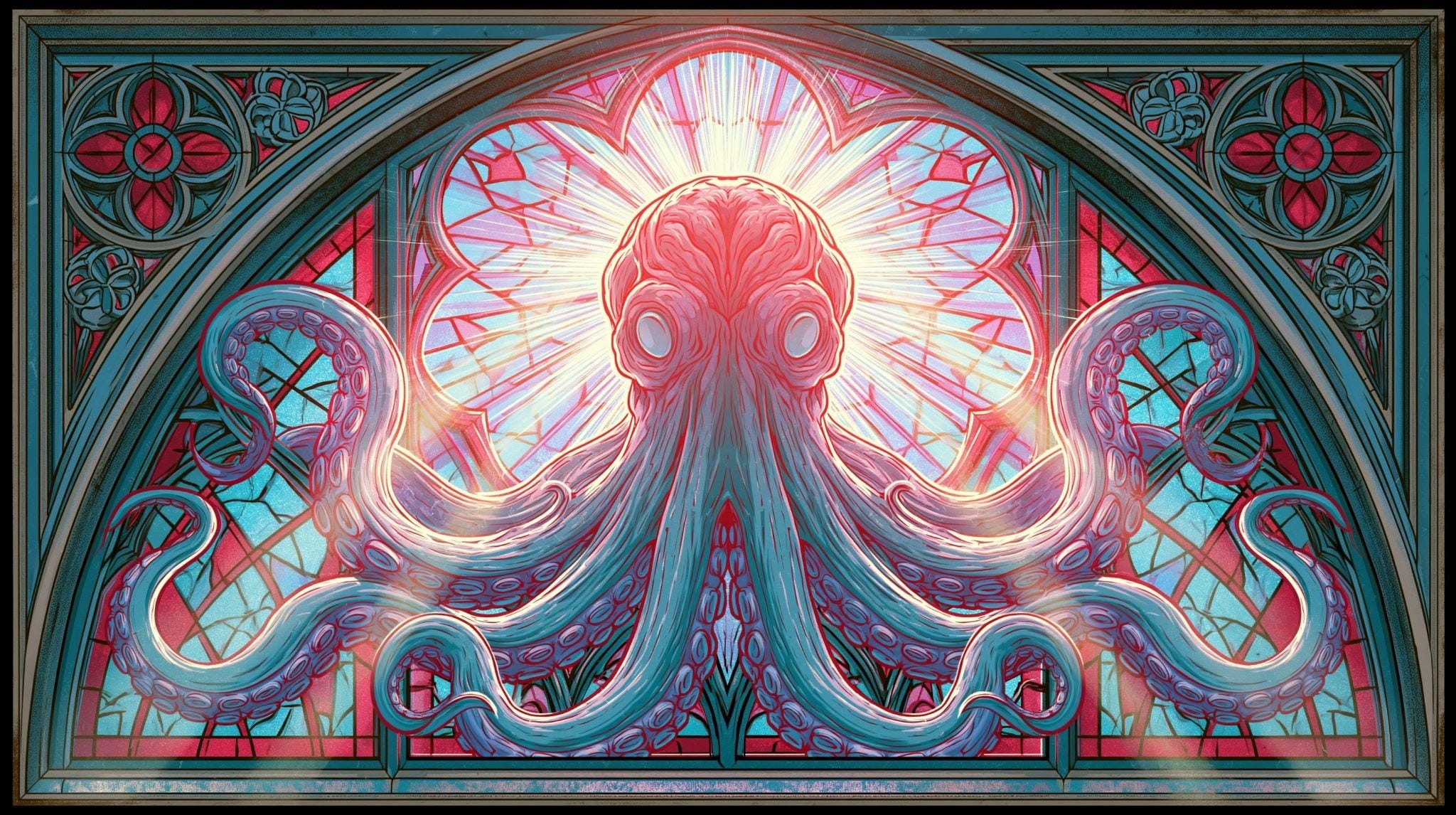
Tantric practice works the same way: There are multiple meditation deities on offer, each a temple built from distinct combinations of virtues. The same Light falls on each temple, but the coloured glass of their windows breaks it into different hues. The different virtues that a deity holds are different doors into the temple — you actually have to choose a door and walk through it. I’m following my aliveness into the door of the Octopus. The figure of a deep-sea alien: a central brain with eight semi-autonomous arms, each with its own neural cluster and half-deciding on its own, while the whole creature still acts as one. My god is coherent pluralism without repression.
I bet that part of you wants to stare directly into the sun instead of choosing a spirit mascot. Well, you can’t. That Light that shines on every temple is impossible for you to occupy because you are the one that perceives it. This Light is God’s transcendent face: not one more eye up the scale, but the precondition for seeing. It’s not a fractal all the way.
No View From Nowhere (sorry)
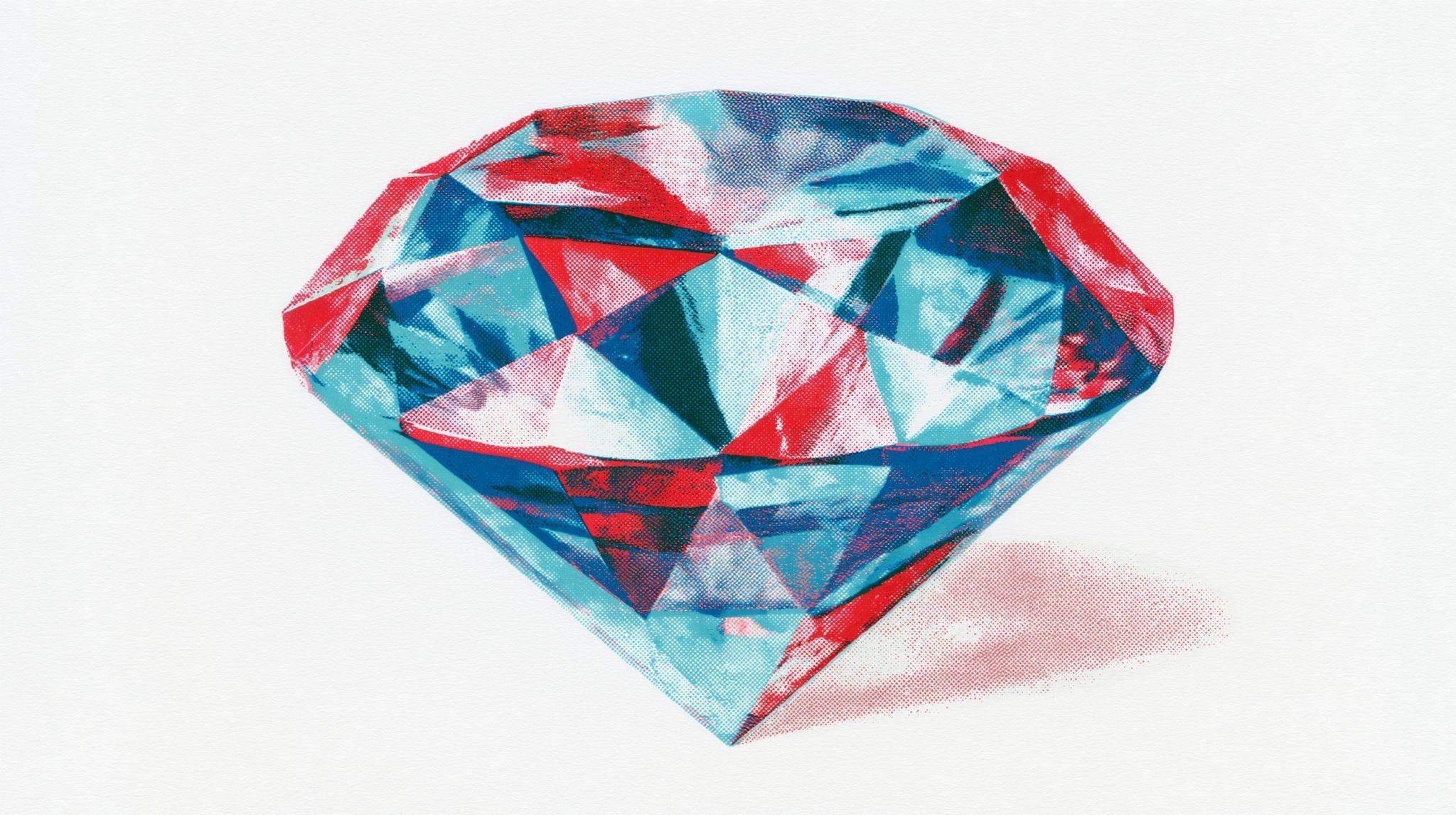
The Good is real but inaccessible. While Karl Friston is not responsible for my theology, the FEP clarifies how to unite moral realism with local differences. The difference is between the prediction hierarchy (virtue commitments) you carry and the process out there generating the signal. The contact between the two happens at the Markov blanket where your self meets the world, predictions go out and errors come back. You never encounter the field of value directly. The dissonance of your own failures and the friction of undismissable others are the closest contact you get.
The reason is ontological before it is practical: God doesn’t have a global perspective and humans can’t help but. Shape rotating between all possible virtues is also computationally intractable, but that’s the lesser problem. More fundamentally, we are always looking from a particular vantage point with particular virtue tradeoffs and commitments, only seeing a facet of the Diamond, and the colours it currently reflects on us. The usual story is that we are all unique expressions of a single ground. I think it’s the other way around: We are building God’s growing face by being in integrity with our own virtues. The Übermensch is a dividual playing Exquisite Corpse.
What exists in actuality are the refractions at the surface, where the stone meets the world. The Light illuminating the Diamond, the uncut potential of the Good, can’t ever be expressed directly. It’s the virtual vanishing point where all virtues collapse into each other, the way white Light is every colour and therefore none. We meet it only at the surface, where the small gods are set like windows into the stone, each facet throwing the white Light into colours more beautiful than we could by ourselves.
It’s not your fault that you can’t see the whole thing. In fact, by looking through your particular eyes in the specific place you’re standing, you make the Good immanent. God comes into the world through your eyes. At the same time, you are perceiving the Good that was already there, approximating a whole you will never see in its entirety. Each new way to resolve tension between virtues is a new facet cut into the Diamond, a new angle for the Light to refract on. There is no other view of this corner of the universe, yours are the only eyes God gets to see this spot through.
God needs your mistakes
Stereoscopic vision works because both of your eyes are wrong. Each delivers a flat picture, displaced a few centimeters from the truth, and the brain gets the extra dimension by parsing that difference. No matter how big the eye of the cyclops, that one good eye is never going to see depth, which only ever comes as a synthesis of distortion. This is how the Diamond of the Good gets its depth, through a thousand eyes. You are one of those eyes, and your idiosyncratic virtue commitments are the displacement, including your biases and your shadow. As you perceive the field of value through the lens of your virtues, you can’t help but notice the gap between what you see and how you act. There is no totalizing view where all the lenses meet. The standard for the Good is local, perceived by you.
I’m not saying “make up your own morals”: While abstract thought and personal history will inevitably shape your virtue commitments, they are not invented by you. You can’t help the immediate feeling of right or wrong that is sometimes in conflict with the bits and pieces of moral philosophy you picked up at dinner parties. The fact that this depends on your local circumstances is what makes it work, not a limitation. I care about aliveness because I was numb for a long time. The environment that produced a numb boy now has to reckon with my insistence on feeling.
What about the fanatic, sincerely committed to a monstrous ideology, a terrible god? The fanatic is in touch with some virtue, and it holds up under the test of his own integrity. The tragedy of the fanatic is that he has stopped taking in new information. While the standard is local, the correction never is. Every harm he causes throws off prediction errors across the social field. In fact, if you feel any revulsion in reading this, that’s one of them. The objection rising in you is attempting to run parallax on my moral theory (which low key validates it, checkmate). A wrong view isn’t the danger because God runs on myopia. The danger is an eye that is disconnected and no longer receives error signals, alone in its terror looking out over the charnel ground.
Agents create gods at every scale. Each layer of the fractal is a model trained on the errors of the level below, life running one long inference on the Good. God is both what allows you to notice any errors and the sum of all virtue commitments across the fractal. God is the one Light thrown through a Diamond still being cut. So getting it wrong locally is how God gets it right globally. Your failures against your own commitments are the only training signal God ever receives.
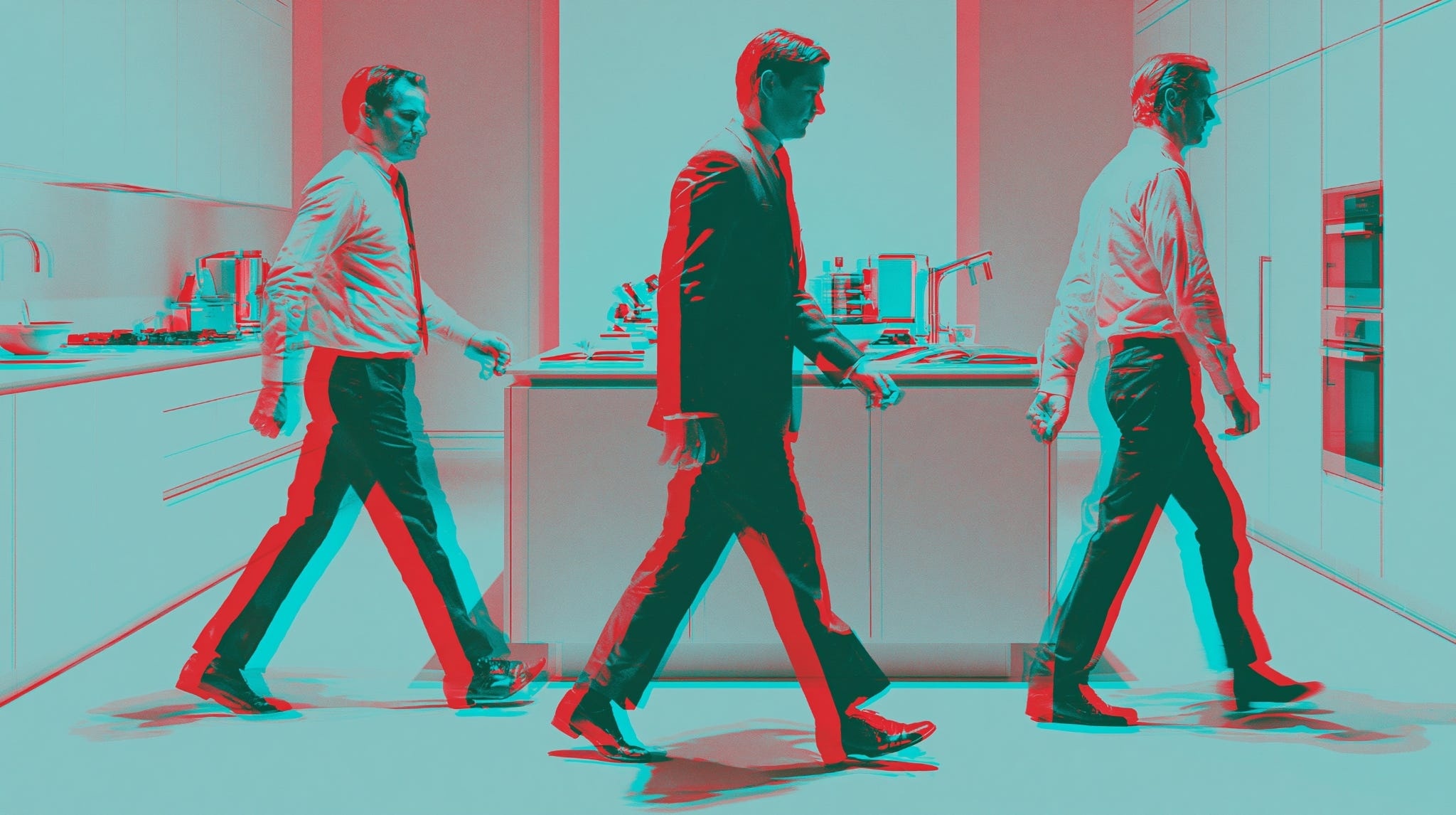
As we were circling the kitchen island in SF, three different sets of virtue commitments were triangulating behind our dialogue. We each have different solutions for romantic agreements or for when a conversation should be held publicly or privately, each in integrity with our own virtue fingerprints. The differences between them lit up the interest we shared from different angles.
The kitchen island became an altar only as we walked it into being, catching glimpses of a goddess that embodies truth, integrity, and creativity. I believe we carried a bit of her allure into our different contexts, afforded by a slightly different angle of refraction that added depth to the colours we were wearing already. That’s the checklist for building new institutions and societies: Discover your own virtues and get in integrity with them. You become someone by aligning yourself with the colours of the Good you can perceive, tracing them back to a unique facet of the Diamond. Then, find people in integrity with different ones to argue and whirl with until you discover a new god worth worshipping. How you come to see is how God comes to be. I can only believe in a God I made up myself.
Ink Trails:
Legibility makes you trustworthy
Unique Self but pointed the other way: we’re still assembling God
I genuinely enjoy your work, your writing has a very original vibe and there is much thought behind your ideas. Unfortunately, some of it is very hard to parse, like maybe the 'vibe' gets too far off the ground, which I feel can hurt its accessibility to the readers. Of course, good writing doesn't have to be maximally accessible and I don't want you to just water down your content, but there is a fine edge between being able to discern the different layers and profound meaning in a piece of writing, and no longer being able to safely decipher the contents without coming up with strange interpretations.
I know I'm just one commenter, but I would really appreciate it if you gave my message a minute of your thought. To give more specific examples, I felt like the pace was a bit intense particularly in sections 'Parallax' and 'No View From Nowhere (sorry)'.
Either way, I love your writing and hope you continue producing more pieces like this one!
nailed it